Periodontology
at Giadent Smile
Our clinic in Sibiu focuses on diagnosing, treating and preventing conditions that affect the gums, the periodontal ligament and the alveolar bone.
These structures form the support system of the teeth and are essential for maintaining healthy teeth in the long term.
Our team in Sibiu approaches periodontal disease with modern techniques, including laser therapy, and personalised treatment plans.
What is periodontal disease?
Periodontal disease is a bacterial infection that affects the tissues supporting the teeth. It usually starts as gingivitis (inflammation of the gums) and can progress to periodontitis, affecting the periodontal ligament and the alveolar bone.
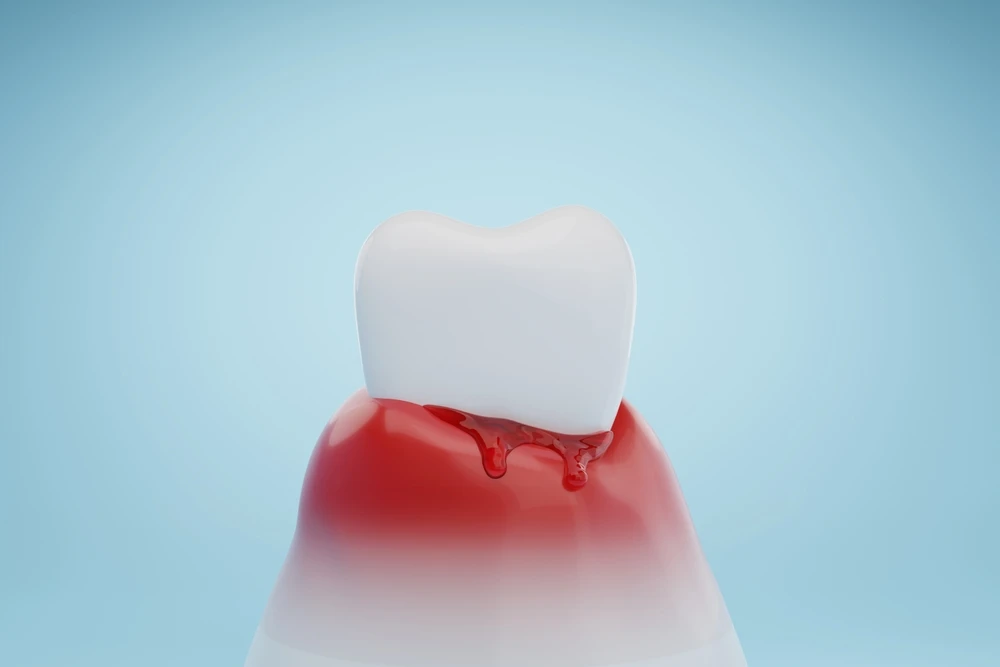
Gingivitis is the initial stage, characterised by inflamed gums, bleeding when brushing and sensitivity. At this stage, the condition is reversible with appropriate treatment.
Periodontitis is the advanced stage, when the infection affects the deep supporting structures, leading to the formation of periodontal pockets, tooth mobility and, eventually, tooth loss.
The term “periodontosis”, often used by patients, usually refers to periodontitis, the advanced form of periodontal disease. In current medical language, periodontosis describes a rare, degenerative condition without an inflammatory component, while most cases seen in practice are in fact periodontitis of various stages. Whatever name is used, treatment begins with a complete periodontal evaluation.
The stages of periodontal disease: from gingivitis to advanced periodontitis
Periodontal disease does not always appear suddenly. Changes can start in the gums and, without treatment, may go on to affect the tissues and bone that support the teeth. Correctly establishing the diagnosis and severity is important for choosing the right treatment.
Gingivitis — the reversible stage
Gingivitis is inflammation of the gums without loss of the tissues that support the tooth. The gums may become red, tender or bleed when brushing. At this stage, the inflammation can be reversed by professional removal of plaque and tartar and by good oral hygiene.
Early periodontitis
When the inflammation progresses to the tissues that support the teeth, we speak of periodontitis. In the early forms, loss of attachment between the gum and the tooth and the beginning of bone loss may appear. Treatment aims to control the infection and prevent the disease from progressing.
Moderate periodontitis
As the disease advances, the loss of attachment and bone becomes more significant, and periodontal pockets can deepen. At this stage, hygiene at home is not enough to clean the affected areas, and professional periodontal treatment and monitoring are needed.
Advanced periodontitis
In severe forms, the destruction of the tissues and bone that support the teeth can be extensive. Tooth mobility, shifting of tooth position, difficulty chewing and, in some cases, tooth loss may occur. Treatment can become complex and may include surgical or regenerative procedures, depending on the clinical situation.
Symptoms of periodontal disease
Early signs
- Bleeding gums when brushing or flossing
- Redness and swelling of the gums
- Gum tenderness to the touch
- Persistent bad breath
Advanced signs
- Gum recession and exposed roots
- Pockets forming between the teeth and gums
- Loose teeth
- Change in tooth position
- Pain when chewing
Causes of periodontal disease
Primary factors
- Bacterial plaque is the main cause of periodontal disease. The build-up of bacteria along the gum line produces toxins that irritate the gums and trigger an inflammatory response.
- Tartar forms through the mineralisation of bacterial plaque and provides a rough surface to which more bacteria can attach, perpetuating the inflammation.
Risk factors
- Smoking reduces blood circulation in the gums and impairs the healing capacity of periodontal tissues.
- Uncontrolled diabetes increases susceptibility to infection and slows healing.
- Stress can affect the immune system and the body’s ability to fight infection.
- Genetic predisposition can influence individual susceptibility to periodontal disease.
Periodontal diagnosis at Giadent Smile
Clinical examination
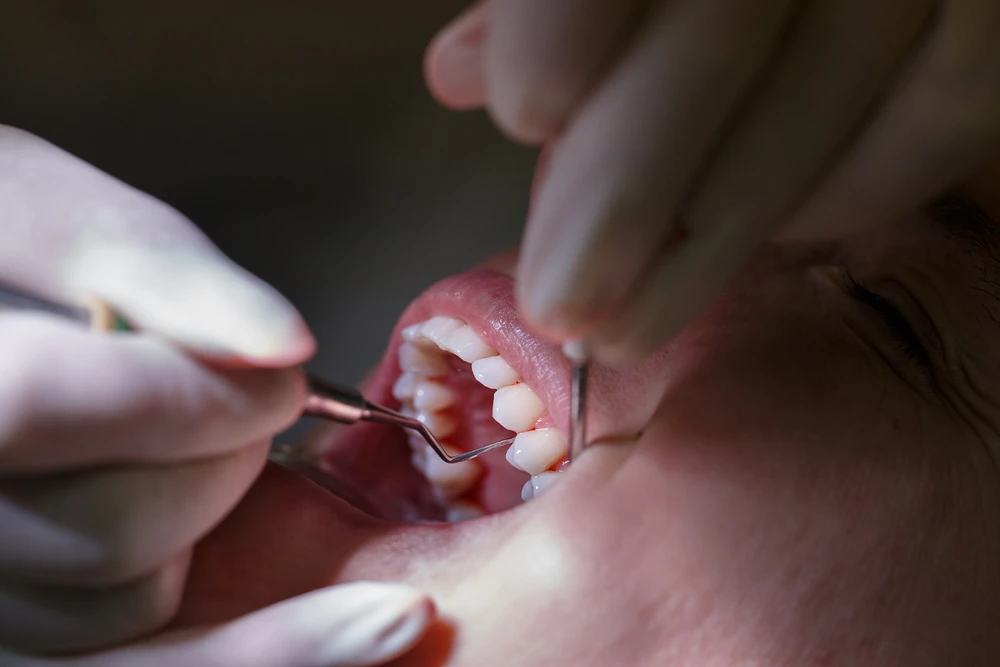
- The periodontist evaluates the condition of the gums, measures the depth of the periodontal pockets and checks tooth mobility. This detailed examination allows the stage of the periodontal disease to be determined.
Radiological investigations
- X-rays allow the level of the alveolar bone and the degree of bone destruction caused by periodontal disease to be assessed.
Periodontal indices
- Specific indices are calculated that quantify the severity of gum inflammation and periodontal destruction.
Periodontal treatments we offer
Non-surgical treatment
- Scaling is the basic treatment, consisting of removing bacterial plaque and tartar from the tooth and root surfaces.
- Subgingival curettage removes inflamed tissue from the periodontal pockets and smooths the root surfaces to aid healing.
- Medication may include local or systemic antibiotics to control the bacterial infection.
- Periodontal laser therapy: the laser is used to decontaminate periodontal pockets and remove infected tissue, with less bleeding and less discomfort than classical techniques. It can complement scaling and subgingival curettage, contributing to faster tissue healing.
Surgical treatment
- Access surgery allows deep cleaning of the periodontal pockets and removal of infected tissue.
- Regenerative surgery uses biomaterials and membranes to stimulate regeneration of lost bone and periodontal ligament.
- Gum grafts cover exposed roots and improve gum aesthetics in areas of recession.
Supportive treatments
- Periodontal maintenance consists of regular check-ups and professional cleanings to prevent a recurrence of periodontal disease.
- Patient education in oral hygiene techniques adapted to specific periodontal needs.
How much does gum disease treatment cost
| Service name | Price |
| Subgingival curettage / tooth | 100 RON |
| Subgingival laser therapy | 500 RON |
| Periapical treatment by endodontic drainage (emergency) | 100 RON |
| Periapical treatment by drainage + mucoperiosteal incision | 200 RON |
| Single-rooted periapical treatment + root filling (4 sessions) | 400 RON |
| Multi-rooted periapical treatment + root filling | 500 RON |
| Rebuilding a non-vital tooth with a fibreglass post | 300 RON |
Preventing periodontal disease
Daily oral hygiene
- Brush correctly twice a day with a soft-bristled toothbrush and fluoride toothpaste.
- Floss daily to remove bacterial plaque from between the teeth.
- Mouthwash with antibacterial properties can complement your oral hygiene routine.
Regular check-ups
- Periodic visits to Giadent Smile Sibiu allow early detection of the signs of periodontal disease and timely intervention.
A healthy lifestyle
- Quitting smoking, controlling diabetes and managing stress contribute to periodontal health.
The link between periodontal health and general health
Systemic impact
- Research shows that periodontal disease can be associated with various systemic conditions, including cardiovascular disease, diabetes and pregnancy complications.
Systemic inflammation
- Bacteria and toxins from periodontal pockets can enter the bloodstream, contributing to systemic inflammation.
The importance of treatment
- Treating periodontal disease can help improve general health and the control of some systemic conditions.
Modern technologies in periodontology
Ultrasonic instruments
Allow effective and comfortable cleaning of the tooth and root surfaces.
Regenerative biomaterials
Advanced materials that stimulate the regeneration of lost periodontal tissue.
Minimally invasive techniques
Surgical approaches that minimise trauma and speed up healing.
Laser therapy
Allows decontamination of periodontal pockets with reduced bleeding and minimal discomfort, supporting tissue healing.
Post-treatment care
Specific instructions
- Each patient receives personalised guidance for optimal care after periodontal treatment.
Monitoring healing
- Regular check-ups allow us to assess the response to treatment and adjust the treatment plan if necessary.
Maintaining results
- The long-term success of periodontal treatment depends on the patient’s cooperation and on following the maintenance programme.

At Giadent Smile Sibiu, periodontology is an important speciality for maintaining oral health in the long term. Our team offers complete treatment, from prevention to advanced therapies for complex cases.
Our clinic in Sibiu is committed to offering every patient the most suitable periodontal approach, adapted to individual needs and to the stage of the periodontal disease.
Why treat gum disease at the Giadent Smile clinic in Sibiu
Treatment of periodontal disease must be adapted to the stage at which it is discovered. At Giadent Smile, the approach can range from non-surgical periodontal therapy and the use of lasers to surgical procedures, when these are indicated.
Laser therapy for minimally invasive periodontal treatment
The laser can be integrated into periodontal treatment to decontaminate periodontal pockets and remove affected tissue. It can complement conventional procedures, such as scaling and subgingival treatment, depending on the doctor’s indication.
Complete diagnosis with radiological evaluation
Treatment starts with an evaluation of the gums, the teeth and the structures that support them. Radiological investigations give the doctor additional information about the level of the bone and the extent of the changes caused by periodontal disease, helping to establish the diagnosis and treatment plan.
From non-surgical treatment to regenerative surgery, in the same clinic
Not every patient with periodontitis needs surgery. Treatment can begin with plaque control, scaling and cleaning of the root surfaces, while cases that need a further approach may be indicated for surgical treatment or regenerative procedures.
In this way, the plan can be adapted according to how the tissues respond and the severity of the disease.
Long-term periodontal maintenance programme
Control of periodontal disease does not end with active treatment. Periodic check-ups, professional cleanings and monitoring of the periodontal pockets help identify any signs of recurrence and maintain the results achieved.
The frequency of visits is set individually, according to the stage of the disease and the patient’s risk factors.
Free consultation and personalised treatment plan
At Giadent Smile, the consultation is free. Following the evaluation, the doctor can determine the severity of the problem and the treatments needed, so that the plan is adapted to your situation rather than applied as an identical template for every patient.
Frequently asked questions
What is the difference between periodontosis and periodontitis?
“Periodontosis” is the term many patients use for advanced periodontal disease. In current medical practice, the inflammatory condition that causes destruction of the tissues and bone around the teeth is called periodontitis. The exact diagnosis is established after a periodontal evaluation.
Can periodontal disease be cured?
Gingivitis can be reversible if it is treated and proper oral hygiene is maintained. In the case of periodontitis, supporting tissues that have already been destroyed do not simply return to their original state, but the disease can be treated and controlled. The goal is to stop or slow its progression and keep your teeth for as long as possible.
Why do my gums bleed when I brush my teeth?
Bleeding when brushing can be a sign of gum inflammation and often occurs when bacterial plaque builds up along the gums. It should not be ignored if it keeps happening. A dental examination can determine whether it is gingivitis, periodontitis or another cause.
Does periodontal disease lead to tooth loss?
Untreated periodontitis can progressively destroy the gum, ligaments and bone that keep the teeth stable. In advanced forms, teeth can become loose and may end up being lost or needing extraction. Treatment begun before the destruction becomes severe can help save your teeth.
How long does periodontal treatment take?
The duration depends on the stage of the disease, the number of affected areas and the type of procedures needed. Some cases can be managed with non-surgical treatment and follow-up check-ups, while advanced forms may require several stages and additional procedures. After active treatment comes the periodontal maintenance period.
Does periodontal laser treatment hurt?
Periodontal procedures are carried out so that discomfort is kept under control, and local anaesthesia can be used when necessary. The laser allows precise work on the targeted tissues, but the experience during and after the procedure varies depending on the treatment performed and each patient’s sensitivity.
Can I have an implant if I have periodontal disease?
The presence or history of periodontal disease does not automatically rule out a dental implant. However, active disease must be evaluated and controlled before an implant treatment is planned. Patients with a history of periodontitis may have a higher risk of inflammatory conditions around implants and need careful monitoring and rigorous hygiene.
Is periodontal disease hereditary?
Genetic predisposition can influence a person’s susceptibility to periodontitis, but the disease is not determined by heredity alone. Bacterial plaque, smoking, oral hygiene, diabetes and other factors can influence its onset and progression. Family history is therefore one of the factors the doctor may take into account.
How much does periodontal treatment cost?
The cost depends on the stage of the disease and the procedures needed. A case requiring non-surgical treatment has a different plan from one in which laser therapy, surgery or regenerative procedures are indicated. The prices for periodontal procedures can be found in the price table, and the cost for your case can be determined after an evaluation.
How soon should I come back for a check-up after treatment?
The frequency of check-ups is not the same for every patient. The doctor sets the interval according to the severity of the disease, the response to treatment, oral hygiene and individual risk factors. Regular periodontal maintenance is important for monitoring the disease and preserving the results of treatment.