What a sinus lift is and why it is needed before an implant
A sinus lift is a surgical procedure that aims to increase the bone volume available in the back of the upper jaw, when the existing bone does not provide the conditions needed to place a dental implant.
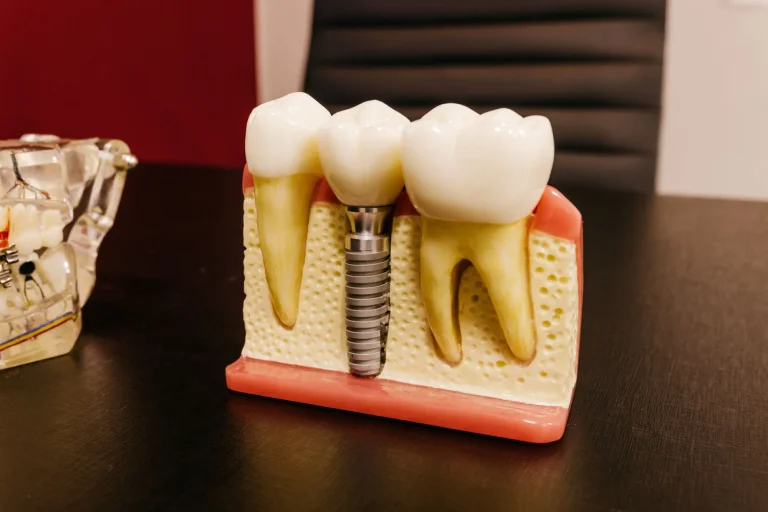
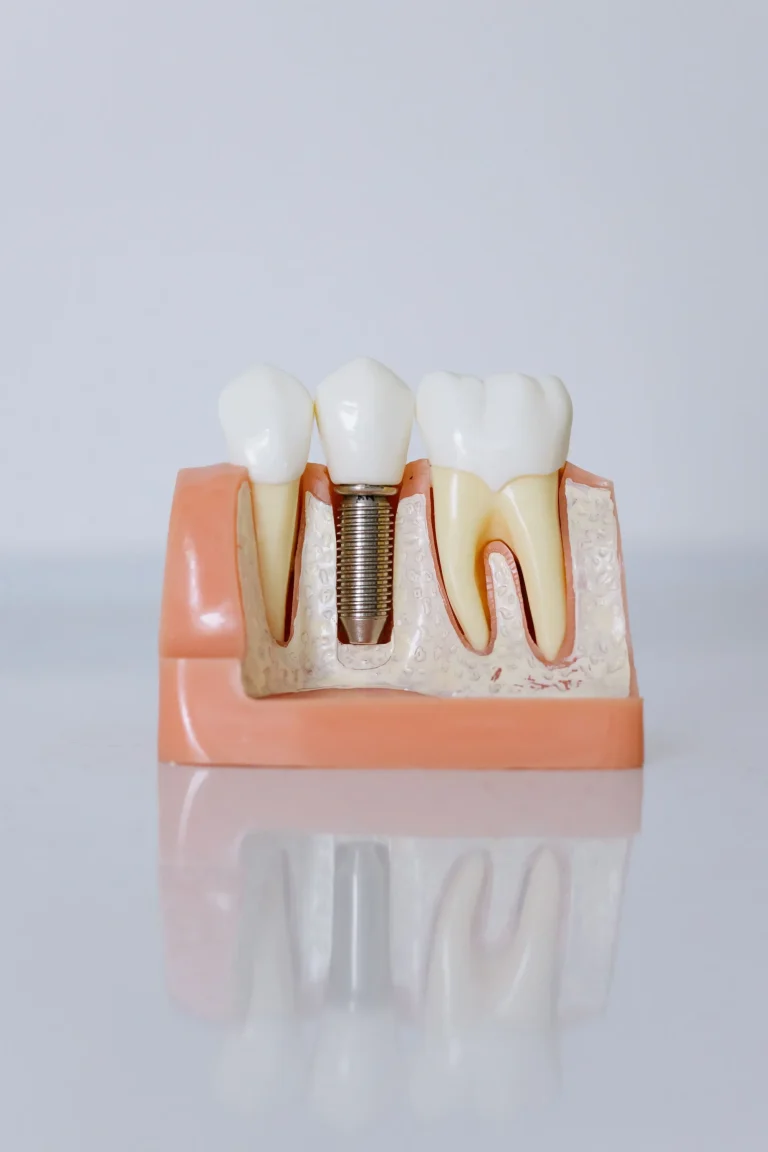
The maxillary sinuses lie above the roots of the upper back teeth. After teeth are lost in this area, the bone can resorb over time and the sinus can expand towards the bony ridge. As a result, the bone height available for an implant may become insufficient.
During the procedure, the sinus membrane is carefully lifted, and bone graft material can be placed in the space created. The aim is to obtain a bone volume that allows the implant to be planned and supported under suitable conditions.
When a sinus lift is recommended
A sinus lift is not needed before every implant placed in the upper jaw. It is indicated when clinical and imaging assessment shows that the bone available in the back of the jaw is not sufficient for the proposed treatment plan.
Situations where the jawbone is insufficient
Bone deficiency can arise for several reasons:
- teeth lost a long time before implant treatment;
- progressive bone resorption after extractions;
- expansion of the maxillary sinus towards the area left without teeth;
- the patient’s anatomical particularities;
- bone loss associated with dental or periodontal conditions.
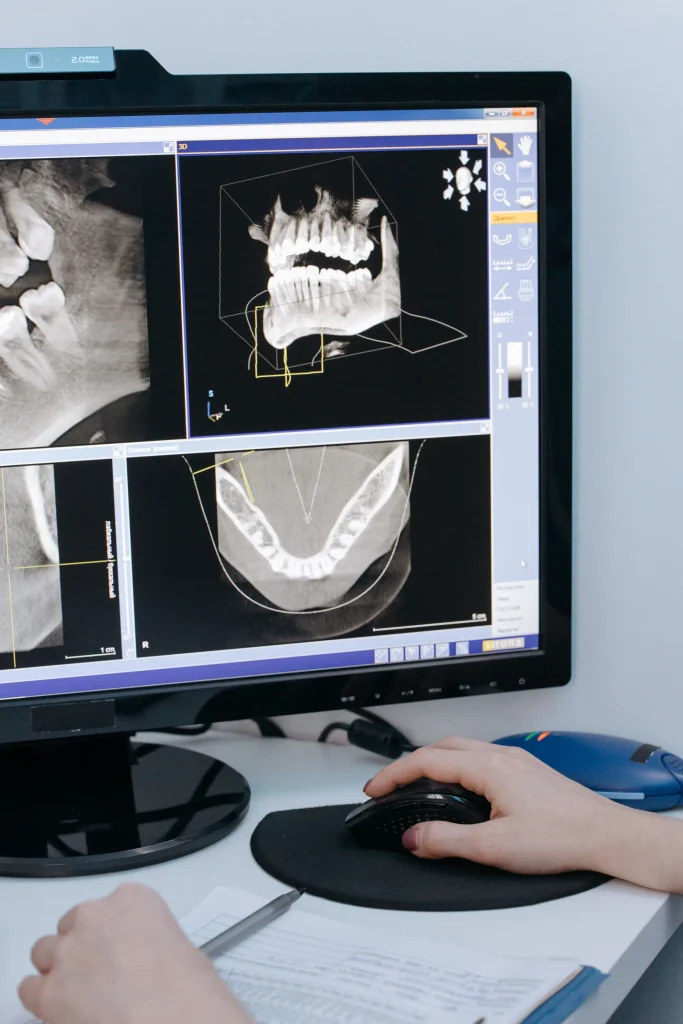
CBCT imaging allows the doctor to assess the area in three dimensions and measure the available bone before deciding on the procedure.
Why the procedure matters for implant success
An implant needs adequate bone support so that it can be placed in the planned position and achieve the conditions needed for its stability.
When the bone height is insufficient near the maxillary sinus, a sinus lift can create the anatomical conditions needed for implant placement. The procedure does not guarantee implant success, but it can make treatment possible in situations where the initial bone volume is insufficient.
Types of sinus lift: external and internal
Depending on the amount of bone present and the volume that needs to be gained, the doctor may recommend an internal or an external sinus lift. The two procedures pursue the same goal but differ in surgical approach.
External sinus lift
An external sinus lift, also called a lateral window sinus lift, involves accessing the sinus through the side of the upper jaw. The doctor creates an access route to the sinus membrane, the membrane is carefully lifted, and the grafting material is placed in the resulting space.
This technique is used mainly when the bone deficiency is greater and a larger volume of bone must be gained.
Depending on the available bone and the stability that can be achieved, the implant can be placed during the same procedure or at a later stage.
Internal sinus lift
An internal sinus lift is a less extensive approach, carried out through the site prepared for the implant. The sinus membrane is lifted in a controlled way, and the space obtained allows the height available for the implant to be increased.
The procedure is indicated in certain situations where there is already enough bone to allow an internal approach and less augmentation is needed.
The choice between an internal and an external sinus lift is made by the doctor after CBCT analysis and implant planning.
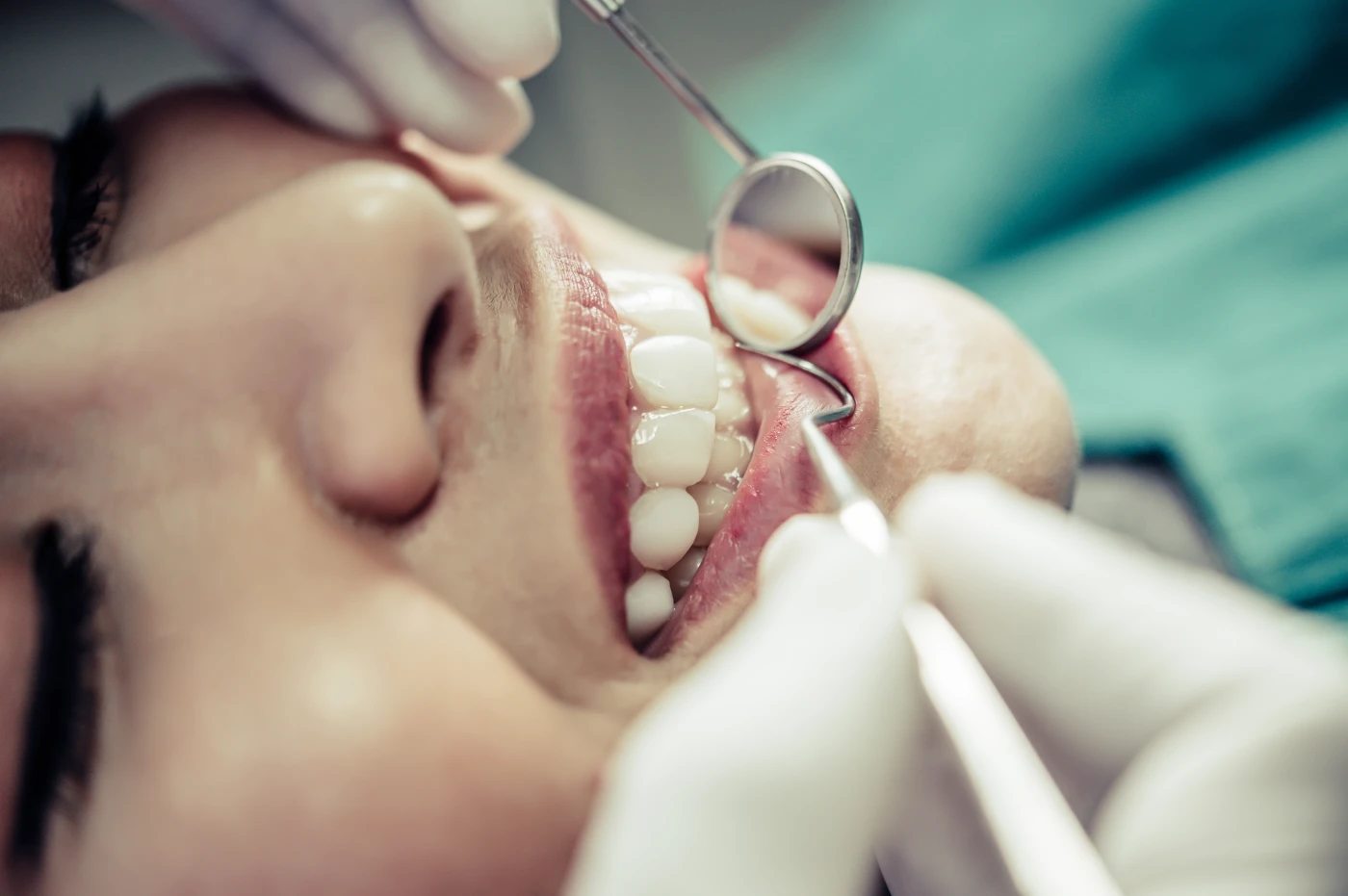
How a sinus lift is performed at Giadent Smile
Before the procedure, the area where the implant will be placed must be assessed. Planning takes into account the amount of existing bone as well as the anatomy of the sinus and the position of the future implant.
Stages of the procedure
Depending on the technique indicated, the treatment may include:
1. Consultation and imaging assessment – the doctor analyses the area and the CBCT scan to determine the available bone volume and the anatomy of the sinus.
2. Choosing the type of sinus lift – it is decided whether the situation allows an internal approach or requires an external sinus lift.
3. Surgical access and lifting of the sinus membrane – the membrane is carefully detached and lifted to create the space needed for grafting.
4. Placing the graft material – the material is positioned in the space created, according to the surgical plan.
5. Implant placement, when possible – in some cases the implant can be placed in the same session. In others, the area must heal before implantation.
6. Healing and monitoring – the evolution of the tissues is followed before implant and prosthetic treatment continues.
Duration of the procedure and recovery period
The duration of the procedure depends on the technique used, the number of areas treated, the amount of grafting required and whether the implants are placed at the same time.
After the procedure, swelling, tenderness or local discomfort may appear temporarily. Initial tissue healing and maturation of the grafted area are different processes, and the point at which implant treatment can continue is determined by the doctor according to how the case progresses.
Bone graft materials used
Several categories of materials can be used for bone augmentation. The choice depends on the particularities of the procedure and the plan set by the surgeon.
Depending on the indication, the following may be used:
- autologous bone, harvested from the patient;
- materials of human origin from processed, controlled sources, used according to specific indications;
- processed materials of animal origin, designed for use in bone regeneration procedures;
- synthetic materials, made from biomaterials compatible with medical use;
- combinations of these materials, when the doctor considers this approach suitable.
The right material is not chosen only according to the patient’s preference, but according to the volume to be rebuilt, the surgical technique and the particularities of the case.
Advantages of the sinus lift procedure
The main role of a sinus lift is to make it possible to plan implants in certain areas of the upper jaw where the existing bone is insufficient.
The procedure can:
- increase the bone volume available near the maxillary sinus;
- allow implants to be placed in areas that initially did not offer enough bone support;
- help achieve the conditions needed for implant stability;
- allow prosthetic rehabilitation of the back areas of the upper jaw;
- be adapted to the existing bone deficiency, by choosing an internal or external technique.
The benefits must always be considered in light of the patient’s situation, since a sinus lift is neither necessary nor indicated in every dental implant case.
Risks and safety during the procedure
A sinus lift is a surgical procedure and, like any procedure, carries certain risks.
One of the specific complications is perforation of the sinus membrane while it is being lifted. Depending on the size and characteristics of the perforation, the doctor may adapt the procedure, use repair techniques or decide to postpone certain stages.
Other possible complications include bleeding, infection, sinus inflammation, problems with the grafting material or poor healing.
CBCT assessment, careful planning of the procedure and following the post-operative recommendations are important for managing the risks. If there are pre-existing sinus problems, they may need to be assessed before the procedure.
Recommendations after a sinus lift
The period after a sinus lift requires protecting the operated area and following the instructions given by the doctor.
In general, after the procedure it is important:
- to avoid blowing your nose forcefully for the period indicated by the doctor;
- to sneeze with your mouth open, to limit the rise in pressure in the sinus;
- not to touch or traumatise the operated area;
- to follow the instructions on diet and oral hygiene;
- to take the medication exactly as medically recommended;
- to avoid smoking, as it can affect healing;
- to attend the scheduled check-ups.
If you experience significant bleeding, worsening pain, fever, unusual discharge or any other symptoms that worry you, contact the clinic for assessment.
Sinus lift Sibiu: price
| Small external sinus lift | 3500 RON |
| Medium external sinus lift | 5000 RON |
| Large external sinus lift | 6000 RON |
Why have a sinus lift at the Giadent Smile clinic in Sibiu
A sinus lift must be planned in relation to the goal for which it is carried out: achieving the bone conditions needed for implant treatment. For this reason, the imaging assessment, the surgical procedure and the position of the future implant must be considered together.
3D digital planning and CBCT
CBCT examination allows a three-dimensional view of the jaw and sinus and provides information about the height and configuration of the available bone.
Based on this scan, the doctor can analyse the relationship between the site of the future implant and the sinus and determine the surgical approach suited to the case.
Specialist in dento-alveolar surgery
The procedure is performed by the doctor who specialises in dento-alveolar surgery, as it requires knowledge of the anatomy of the maxillary sinus and handling of the tissues and bone structures in this region.
Before treatment, both the need for augmentation and any factors that could affect the procedure or healing are assessed.
Sinus lift and Bredent implant in the same clinic
When the treatment plan includes both bone augmentation and the placement of a Bredent implant, the stages can be coordinated within the same clinic.
Where the necessary conditions exist, the sinus lift and implant placement can be carried out in the same procedure. If the initial bone support does not allow the conditions needed for the implant, the two procedures are carried out in separate stages.
Free consultation and payment in instalments
At Giadent Smile the consultation is free. Following the assessment you can find out whether you really need a sinus lift, which technique may be indicated and how the procedure fits into the complete treatment plan.
For treatments involving higher costs, payment in instalments is also possible, according to the options available at the clinic.
The doctors who perform sinus lifts at Giadent Smile

Dr. Dragason Lucian
Specialist in dento-alveolar surgery
Frequently asked questions
What is a sinus lift?
A sinus lift is a bone augmentation procedure carried out in the back of the upper jaw. The membrane of the maxillary sinus is carefully lifted, and bone graft material can be placed in the space created to obtain the volume needed to plan the implant.
When is a sinus lift needed?
The procedure may be needed when the bone between the jaw ridge and the sinus does not provide the volume required to place the planned implant. The need for a sinus lift is determined after clinical and imaging assessment, usually with the help of CBCT.
What is the difference between an external and an internal sinus lift?
An external sinus lift involves accessing the sinus through a window made on the side and generally allows more significant bone deficiencies to be addressed. An internal sinus lift is carried out through the site prepared for the implant and is used in selected cases where less augmentation is needed.
Does a sinus lift hurt?
The procedure is carried out under anaesthesia, so the area is numb during the procedure. After the anaesthetic wears off, there may be temporary tenderness, swelling or discomfort. The intensity varies with the extent of the procedure and individual response.
How long does recovery take after a sinus lift?
The soft tissues begin to heal in the period after the procedure, but maturation and integration of the grafting material take longer. There is no single duration valid for all cases. The doctor determines when the area is ready for the next stage based on the procedure performed and how healing is progressing.
Can the implant be placed in the same session as the sinus lift?
Yes, in certain cases. Simultaneous placement depends mainly on the existing bone and on whether the conditions needed for implant stability can be achieved. If the situation does not allow it, the sinus lift is carried out first and the implant is placed after the indicated healing period.
What bone material is used?
Different types of materials can be used for augmentation: autologous bone, biomaterials of human or animal origin processed for medical use, synthetic materials or combinations of these. The doctor determines the appropriate option according to the procedure and the characteristics of the bone defect.
How much does a sinus lift cost?
The price depends on the type of procedure, internal or external, the complexity of the case and the materials needed for augmentation. Giadent Smile’s rates are shown in the prices section, and the full cost of the treatment can be determined after the consultation.
What complications can occur after a sinus lift?
Possible complications include perforation of the sinus membrane, bleeding, infection, sinus inflammation or problems with the healing of the grafted area. Any unusual symptoms after the procedure should be reported to the doctor for assessment.
Are there alternatives to a sinus lift?
In certain situations other treatment strategies may exist, depending on the amount and distribution of the bone, the patient’s anatomy and the planned restoration. These may involve a different position or size of implants, or other augmentation techniques. An alternative should be chosen after CBCT analysis and not merely to avoid the sinus lift procedure