What is dental surgery?
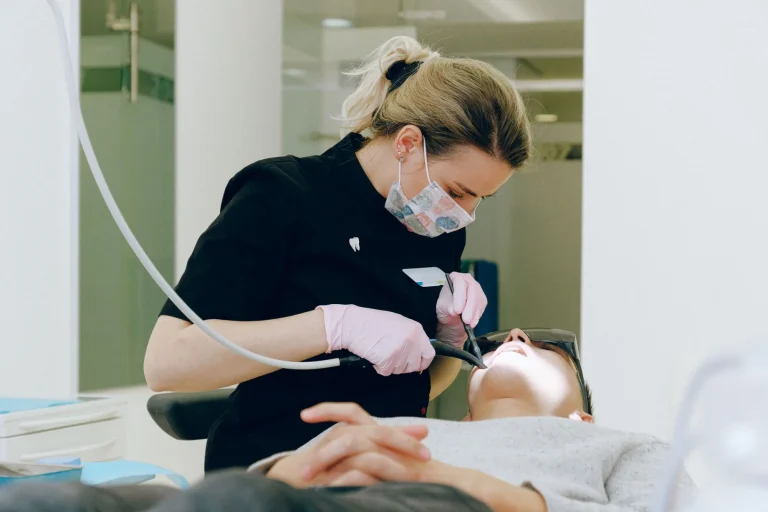
Dental surgery is the branch of dentistry that uses surgical procedures to treat certain conditions of the teeth, gums and jawbones, when these cannot be resolved by ordinary dental procedures.
Depending on the clinical situation, it can include procedures such as simple or complex tooth extractions, removal of impacted wisdom teeth, apical resections, soft tissue procedures or the procedures needed to prepare for the placement of dental implants.
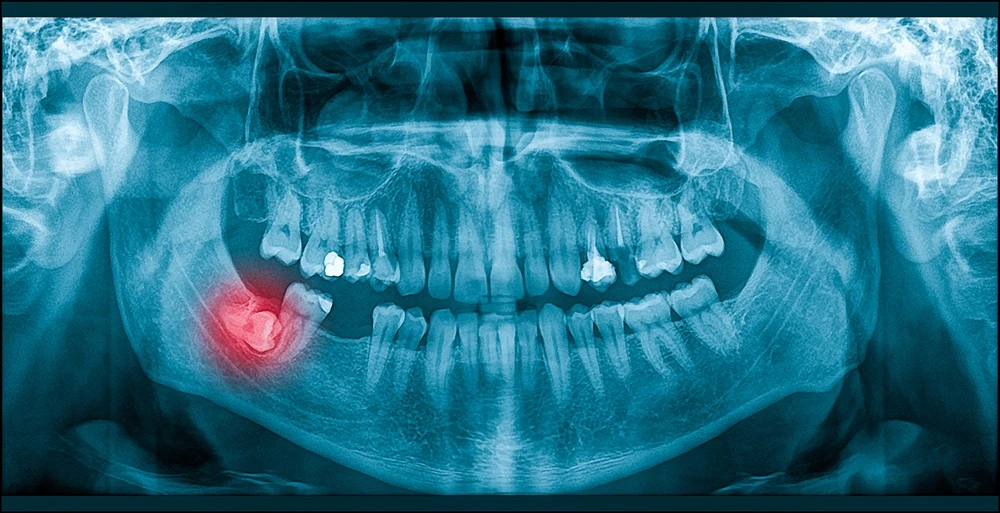
The type of intervention is determined after the clinical assessment and, where necessary, on the basis of radiological investigations.
When is dental surgery recommended?
Dental surgery may be needed both in acute situations that require rapid assessment and intervention, and for procedures planned as part of a more complex dental treatment. The indication is determined by the doctor after the clinical examination and, where necessary, on the basis of imaging investigations.
Surgical emergencies
- Dental abscesses at risk of spreading
- Dento-alveolar trauma
- Severe gum bleeding
- Tooth fractures with pulp exposure
Planned procedures
- Extraction of teeth that cannot be saved
- Wisdom tooth surgery
- Treatment of advanced periodontal disease
- Preparation for prosthetic work

Types of surgical procedures
Depending on the diagnosis and the aim of the treatment, a range of dental surgery procedures may be recommended at Giadent Smile, from extractions to procedures that prepare for prosthetic or implant treatments.
-
Tooth extractions
Tooth extractions are carried out when teeth can no longer be saved by conservative treatments. At Giadent Smile Sibiu, the procedure is performed using gentle techniques to minimise trauma and speed up healing.
- Simple extractions – for visible, accessible teeth with normal roots.
- Surgical extractions – for impacted teeth, teeth with complex roots or teeth in difficult positions.
- Wisdom tooth extractions – a specialised procedure for impacted wisdom teeth or those with problematic eruption.
Periodontal surgery
Periodontal procedures treat advanced conditions of the gums and the bone supporting the teeth, saving teeth that would otherwise be lost.
- Subgingival curettage – removal of bacterial plaque and tartar from beneath the gum line.
- Access surgery – for deep cleaning of periodontal pockets.
- Gum grafts – to cover exposed roots and improve gum aesthetics.
Apical surgery
When classic endodontic treatment is not enough, apical surgery allows the tooth to be saved by working directly at the tip of the root.
- Apicectomy – removal of the tip of the infected root and retrograde sealing of the canal.
- Cystectomy – removal of apical cysts and cleaning of infected tissue.
Pre-prosthetic surgery
These procedures prepare the mouth to receive prosthetic work, improving its stability and comfort.
- Alveolar ridge smoothing – for an even supporting surface.
- Frenum plasty – correction of a restrictive labial or lingual frenum.
- Vestibuloplasty – enlarging the oral vestibule for better denture retention.
Pre-implant surgery: bone augmentation and sinus lift
When the volume or anatomy of the bone does not allow an implant to be placed as planned, the area may need to be prepared beforehand with bone regeneration procedures.
- Bone augmentation – used to increase bone volume in areas where it is insufficient for implant placement;
- Sinus lift – a procedure used in certain cases in the posterior upper jaw, when the height of the available bone is insufficient for an implant.
Preparing for dental surgery
Pre-operative consultation
The doctor assesses your general health, medical history and current medication. The surgical plan is set and the procedure is explained in detail.
Required investigations
Depending on the complexity of the procedure, X-rays, blood tests or consultations with other specialists may be needed.
Pre-operative instructions
The patient receives specific guidance on diet, medication and preparing for the day of the procedure.
Informed consent
The risks, benefits and alternatives to the proposed procedure are discussed, and the patient’s informed consent is obtained.
Surgical procedures for oral health
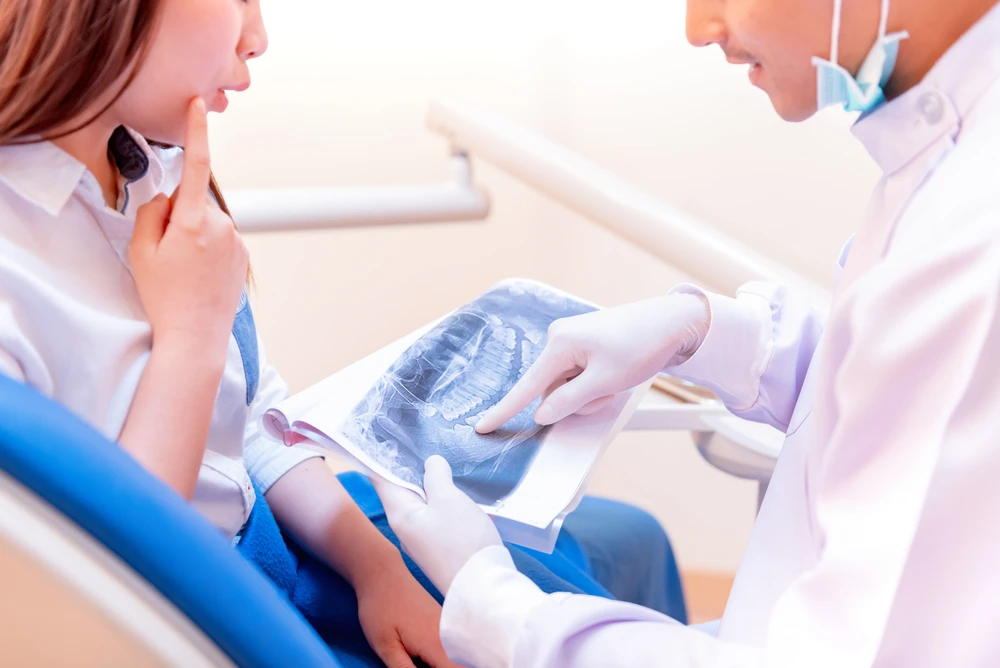
Our team approaches every surgical case with careful planning and modern techniques for optimal results and quick recovery.
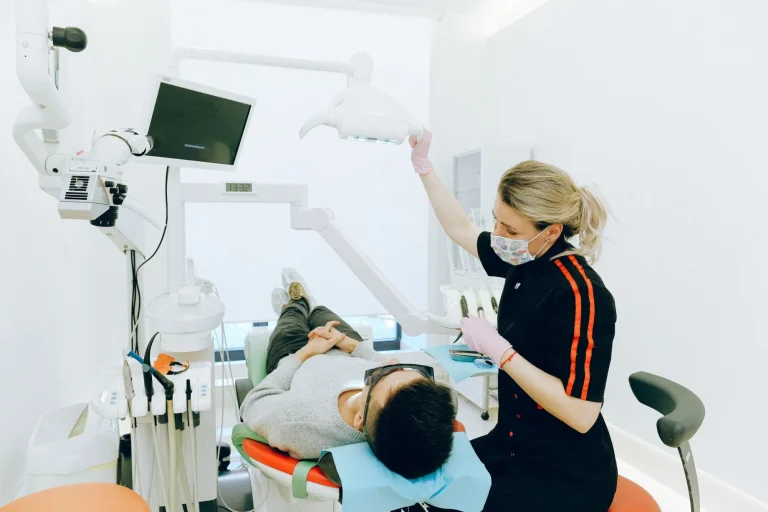
Dental surgical procedures at our clinic in Sibiu are carried out under fully sterile conditions, with specialised equipment and quality materials.
Every procedure is preceded by a detailed assessment and full explanations for the patient.
How surgical procedures are carried out
Anaesthesia
All procedures are performed under appropriate local anaesthesia for complete comfort. For complex cases or anxious patients, conscious sedation may be chosen.
Surgical techniques
We use modern, minimally invasive techniques that reduce tissue trauma and speed up healing.
Sutures
The sutures used are biocompatible and are either absorbed naturally or removed after initial healing.
Bleeding control
Specific measures are applied to control bleeding, and clear instructions are given for home care.
Post-operative care
The first hours
Rest, applying ice and avoiding physical exertion are recommended. The prescribed medication helps control pain and prevents infection.
Diet
A soft, cool diet for the first few days, avoiding hot, spicy or hard foods that could irritate the operated area.
Oral hygiene
Continue brushing carefully, avoiding the operated area for the first few days. Rinses recommended by the doctor may be used.
Warning signs
The patient is informed about the symptoms that require immediate contact with the clinic: heavy bleeding, severe pain, major swelling or fever.
Recovery after dental surgery
Normal healing
The healing process varies depending on the type of procedure and the patient’s individual characteristics.
Post-operative check-ups
Check-up visits allow healing to be monitored and the sutures to be removed at the right time.
Resuming activities
Most patients can resume normal activities within a few days, following the medical recommendations.
At Giadent Smile Sibiu, dental surgery is carried out with attention to detail and respect for patient comfort. Our team combines surgical experience with current technology for safe procedures and optimal results.
Every patient receives individualised care, from the initial consultation to complete healing. Our clinic in Sibiu offers continuous support throughout the entire surgical process.
Complications and how they are managed
Preventing complications
Through careful planning, precise surgical technique and appropriate post-operative care, the risk of complications is minimal.
Post-operative bleeding
It is managed by local compression and, if necessary, by additional measures in the surgery.
Infections
Prevented by prophylactic antibiotic therapy when indicated and rigorous hygiene of the operated area.
Dry socket
A complication specific to extractions, treated by cleaning the socket and applying medicated dressings.
TECHNOLOGY USED
Correct planning and control of every stage are important in dental surgery. At Giadent Smile, the doctors use equipment and materials suited both to the pre-operative assessment and to carrying out the procedure.
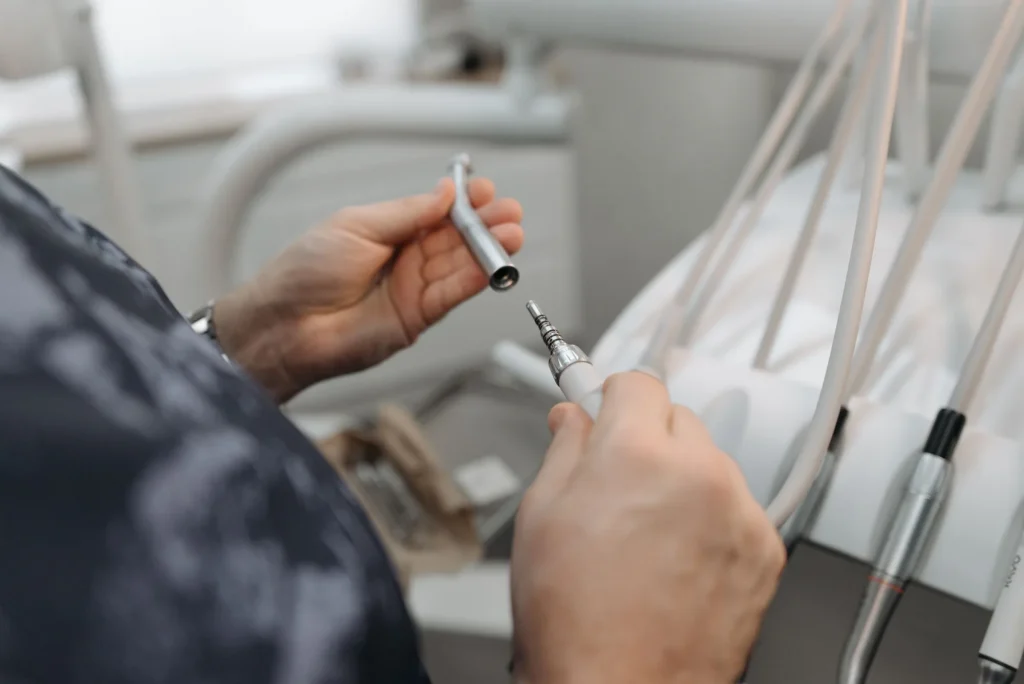
Precision surgical instruments
We use precision instruments that allow exact procedures and minimal trauma to healthy tissue.
Biocompatible suture materials
Modern sutures adapt perfectly to the tissues and promote optimal healing.
Sterilisation to international standards
All instruments are sterilised in line with international standards for maximum patient safety.
CBCT for planning procedures
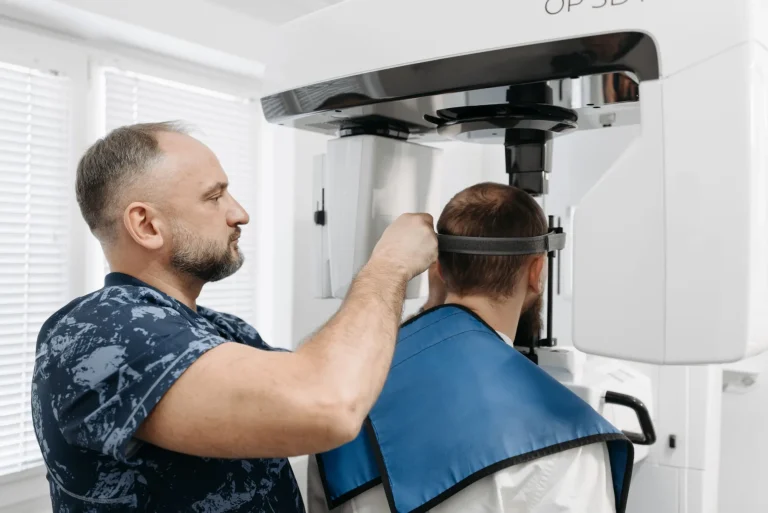
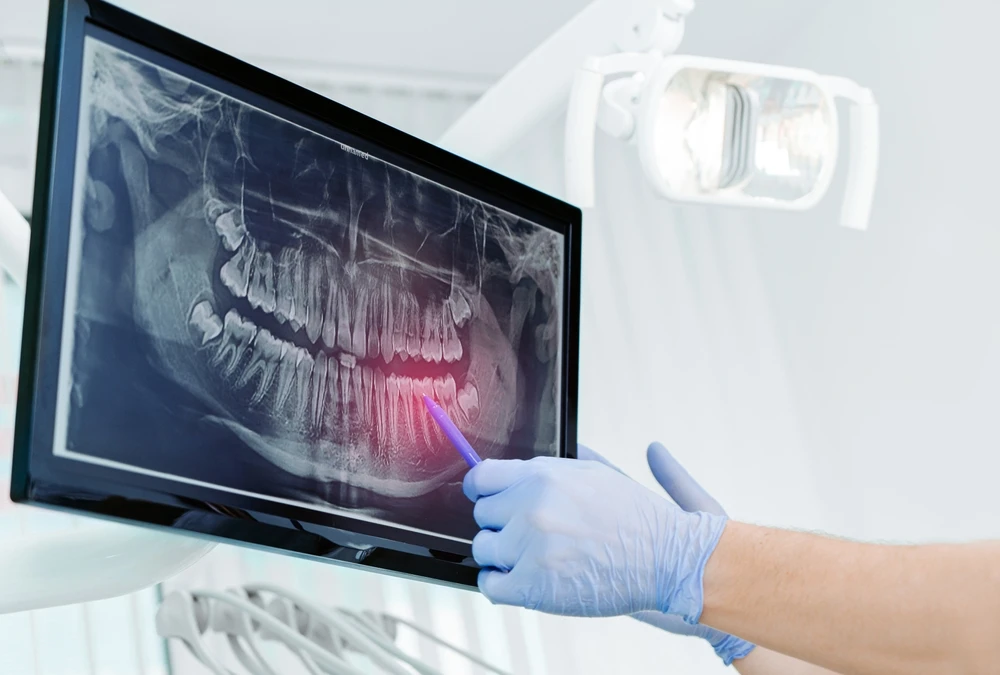
CBCT (3D computed tomography) allows the doctor to analyse the dental and bone structures in three dimensions and their relationship to nearby anatomical features.
Laser therapy in soft tissue procedures
In certain procedures, the dental laser can be used for work on soft tissue, depending on the clinical indication and the type of procedure. Its use allows the doctor to work precisely and in a controlled way in the treated area and can complement conventional surgical techniques.
How much does dental surgery cost?
The cost of a dental surgical procedure differs depending on the type of procedure and the complexity of the case. For example, a simple extraction may cost something different from the surgical extraction of an impacted tooth or from a preparatory procedure for implant placement.
The price can be influenced by:
- the type of surgical procedure;
- the complexity and position of the tooth being treated;
- whether a simple or surgical extraction is needed;
- the investigations required to plan the procedure;
- whether bone augmentation or other associated procedures are needed;
- the type and quantity of materials used, such as bone grafts and membranes.
The exact cost can be determined after the clinical assessment and, where necessary, after analysing the radiological investigations.
Why choose dental surgery at the Giadent Smile clinic in Sibiu
At Giadent Smile, surgery is planned according to each patient’s diagnosis, anatomy and needs, with the option of carrying out the investigations and stages required for a complex treatment plan at the same clinic.
Specialist in dento-alveolar surgery
Surgical procedures are performed by Dr. Dragason Lucian, a specialist in dento-alveolar surgery, from tooth extractions to the surgical procedures required as part of complex treatments.
Planning based on CBCT investigations
When the case requires it, CBCT provides three-dimensional images of the dental and bone structures. The doctor can thus analyse the anatomy of the area and its relationship to neighbouring structures before planning the procedure.
Techniques adapted to the case, and laser therapy
The surgical technique is chosen according to the type of procedure and the patient’s specific needs. In procedures where it is indicated, the dental laser can be used for work on soft tissue, complementing conventional surgical techniques.
Surgery and implantology in the same clinic
If treatment involves both a surgical stage and the placement of a dental implant, these can be planned and carried out at Giadent Smile. From the extraction and any bone preparation procedures through to the implant stage, the patient can follow the treatment plan in the same clinic.
Free consultation and personalised treatment plan
During the consultation, the doctor assesses the clinical situation and the investigations needed and sets out the treatment options suited to the case. The consultation is free, and the patient receives a personalised treatment plan before any procedures begin.
Frequently asked questions
Does dental surgery hurt?
Dental surgical procedures are usually performed under local anaesthesia, so the patient should not feel pain during the procedure. Once the anaesthetic wears off, pain, sensitivity or swelling of the area may temporarily appear, depending on the extent of the intervention.
How long does a dental surgical procedure take?
The duration depends on the procedure and the complexity of the case. A simple extraction can be done more quickly than the surgical extraction of an impacted tooth, bone augmentation or a sinus lift. The doctor can estimate the duration after the clinical and imaging assessment.
How long does healing take after an extraction?
Healing takes place in several stages. Post-operative discomfort and inflammation usually ease gradually over the first few days, while gum healing and bone remodelling take longer. The duration differs depending on the complexity of the extraction, the area treated and the patient’s individual characteristics.
Can I eat straight after the procedure?
It is recommended to wait until the anaesthetic begins to wear off, to reduce the risk of accidentally biting your cheek, lip or tongue. After the procedure, the doctor will give you instructions on diet and care of the operated area, adapted to the procedure performed.
When is wisdom tooth extraction necessary?
Not every wisdom tooth has to be extracted. Extraction may be recommended when the tooth causes, or poses a risk of, problems such as repeated infections, hard-to-treat cavities, damage to the neighbouring tooth or other complications associated with its position. The decision is made after a clinical and radiological examination.
What is dry socket and how can it be avoided?
Dry socket is a complication that can occur after a tooth extraction when the blood clot that protects the socket does not form properly or is lost too early. To reduce the risk, it is important to follow the doctor’s instructions after the extraction, including the recommendations on hygiene, diet, smoking and protecting the operated area.
Can I have surgery if I have diabetes or high blood pressure?
Diabetes or high blood pressure do not automatically rule out dental surgery. It is important to tell the doctor about any existing conditions and the medication you take, so that they can assess the risks and decide whether additional measures are needed before the procedure.
How long do I have to wait after an extraction before I can have an implant?
There is no single interval for all patients. In certain cases, the implant can be placed in the same session as the extraction, while in other situations a healing period or a bone regeneration procedure is needed before implantation. The decision depends on the condition of the bone, the presence of infection and the specifics of the area treated.
What is a sinus lift and when is it needed?
A sinus lift is a surgical procedure that aims to create the bone volume needed to place implants in the posterior upper jaw. It may be recommended when the bone available beneath the maxillary sinus does not have the dimensions required for implant planning. The need for the procedure is determined after a clinical and imaging assessment, usually with the help of CBCT.